AI in Creative Design: The 2026 Frontier of Innovation and Aesthetics
We are currently living through a tectonic shift in the digital landscape. For decades, the creative process was defined by manual skill: mastering the pen tool in Illustrator, agonizing over stock photo searches, or coding landing pages from scratch. Today, generative AI has shattered those limitations, democratizing design and offering unprecedented speed to market.
But this rapid evolution brings anxiety. A common query we see on search engines is: "Is AI killing creativity?" This blog aims to dismantle that fear. We will explore how AI in creative design acts not as a replacement, but as the ultimate co-pilot, turbocharging workflows and allowing human designers to focus on strategy, empathy and innovation.
This new era of design is characterized by a synergy between human intuition and algorithmic precision. By integrating AI, designers can automate the mundane, personalize at scale and explore creative territories that were previously unreachable.
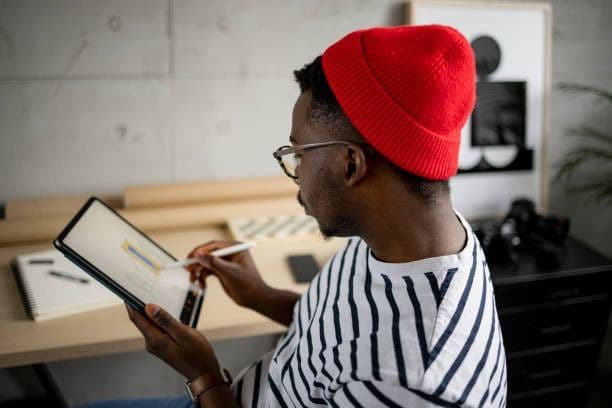
How AI is Transforming the Creative Workflow
The fundamental change AI brings to design is the shift from creation to curation and iteration.
In the past, facing the "blank page problem" was the biggest hurdle. Now, with generative AI tools, a designer can start with 50 high-fidelity variations in minutes rather than starting from zero. This allows creative teams to spend less time executing repetitive tasks and more time refining high-level concepts.
AI is currently impacting three main pillars of creative design:
1.Automated Asset Generation and Editing
This is the most visible frontier. Tools powered by models like DALL-E 3 and Midjourney v6 are creating hyper-realistic imagery from simple text prompts.
- The Game Changer: Adobe Firefly
Adobe has successfully integrated ethical, commercially safe generative AI directly into Photoshop. Features like "Generative Fill" allow designers to expand canvas borders, remove complex objects or add new elements with perfect lighting integration in seconds which before were tasks that used to take hours of painstaking cloning and masking.
2.Accelerated UX/UI Prototyping
In user experience (UX) and user interface (UI) design, speed is critical. AI is helping designers move from ideation to interactive prototype swiftly.
- Real-World Example: Framer AI.
Framer has made waves by allowing designers to generate entire website sections or landing pages via text prompts. A designer can type "hero section for a SaaS crypto startup with dark mode aesthetic," and Framer yields a fully responsive, layered design that can be immediately tweaked. This isn’t about final output; it’s about rapid ideation.
3. Personalized Dynamic Creative at Scale
For digital marketers, the holy grail is personalization. AI allows brands to create thousands of ad variations tailored to specific audience segments without manual versioning.
- Brand Spotlight: Coca-Cola’s "Masterpiece" Campaign.
Coca-Cola was an early enterprise adopter, partnering with OpenAI and Bain & Company. Their "Create Real Magic" platform allowed digital artists to use GPT-4 and DALL-E to generate original artwork using iconic Coke assets. This wasn't just a gimmick. It was a massive, decentralized creative campaign that blended brand heritage with cutting-edge tech.
The Strategic Advantage for Pegion Trails Digital
When we talk about the future of Pegion Trails Digital, the integration of AI is about more than just "using tools." It is about Creative Intelligence. By using AI to handle the "how" of design, our creative directors can focus on the "why" the strategy, the emotional resonance and the brand narrative.
As an industry frontier in this, there are a couple of questions we would confidently address on this topic.
1. Will AI Replace Human Graphic Designers?
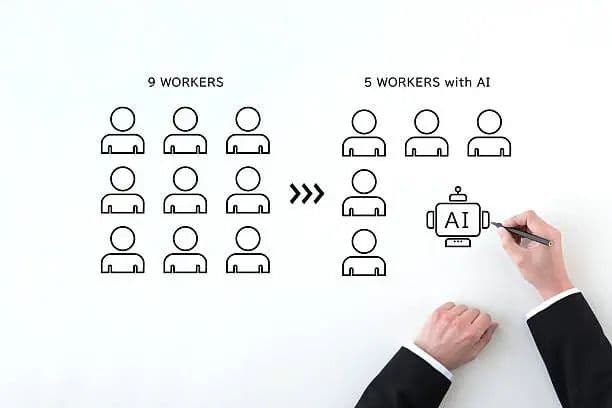
The short answer is no. AI will not replace human designers. However, designers who use AI will inevitably replace those who do not.
AI models are incredibly powerful engines of synthesis. They can analyze billions of images to understand style, composition, and trend. But they lack fundamental human qualities:
- Intent and Strategy: AI doesn't know why a design needs to evoke trust for a banking app versus excitement for a gaming console. That requires strategic human insight.
- Empathy: Good design solves human problems. AI cannot feel frustration with a bad interface; therefore, it cannot authentically design an empathetic solution without human guidance.
- Taste and Curation: An AI can generate 100 images, but it takes a human with developed "taste" to select the one that perfectly aligns with a brand's ethos.
2. What Are the Essential AI Tools for Designers in 2024?
The toolbox is growing daily, but these are currently essential for a modern creative stack:
- Midjourney / DALL-E 3: For high-concept imagery, mood boarding, and idea generation.
- Adobe Photoshop (with Firefly): The professional standard for image editing, now supercharged with generative capabilities.
- Canva Magic Studio: An accessible suite of AI tools democratizing design for social media managers and non-designers.
- Figma (with AI plugins): The dominant UI/UX tool, increasingly relying on plugins to automate layer naming, text generation, and layout adjustments.
3.How can brands speed up high-quality video production?
The solution lies in AI Motion Synthesis. Tools like DeepMotion allow for instant character rigging and physics-based animation from simple video references, cutting production time by up to 70%.
4. How do I ensure AI-generated art stays "on-brand"?
Designers now utilize Custom Style Tuners and LoRA (Low-Rank Adaptation) models. These allows us to "train" an AI on a specific brand’s colour palette, typography and aesthetic style to ensure every output is 100% consistent.
5. What is the most efficient way to prototype a new App UI?
AI-to-Code platforms like Uizard and Galileo AI can now transform a hand-drawn sketch or a text description into a fully functional, high-fidelity UI prototype in Figma within minutes.
The Human Element: Why Designers Still Matter
Despite the power of algorithms, the "soul" of a design remains human. AI lacks the lived experience required to understand nuance, sarcasm and deep-seated cultural shifts.
The role of the designer has shifted from "maker" to "curator and strategist." At Pegion Trails Digital, we believe the best results come from Human-in-the-Loop (HITL) workflows. Where, AI does the heavy lifting but human taste provides the final polish.
Embracing the AI Revolution
AI in Creative Design is not a threat, it is a superpower. It allows us to dream bigger, execute faster and connect with audiences on a more personal level. As we continue to push the boundaries at Pegion Trails Digital, we invite you to explore how these tools can transform your brand's digital presence.
The skill sets of the future are crucial: critical thinking, complex problem-solving, and the ability to write effective prompts (prompt engineering). The designers who thrive will be those who view AI not as a threat to their livelihood, but as an extension of their imagination.
Embrace the tools. Experiment relentlessly. The barrier to entry for creating high-quality design has never been lower, but the ceiling for true, strategy-driven creativity has never been higher.