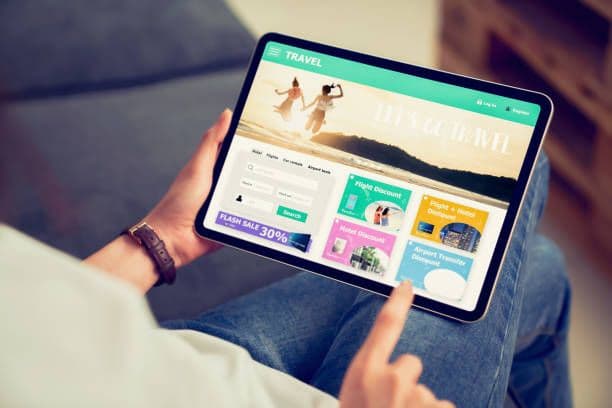
Transforming travel websites into conversion engines
In the competitive landscape of the 2026 tourism industry, a website that merely looks good is no longer enough. For a travel company to thrive, its digital presence must evolve from a static gallery of images into a high-performance conversion engine. When potential travelers visit a site, they aren’t just looking for inspiration, they are looking for a reason to trust, a way to plan and a seamless path to book.
Seamless user experience (UX) & mobile optimization
Mobile optimization isn't just about fitting a site on a small screen; it’s about catering to the "on-the-go" mindset. Over 70% of all users now browse exclusively on mobile devices, making a desktop-only approach a significant barrier to revenue (Genesis Advertising, 2026). Because Google uses mobile-first indexing, your mobile site is now the primary factor in where you appear in search results (OAK Interactive, 2026).
Advantages of Mobile-Optimized UX:
- Lower Bounce Rates: Fast-loading, thumb-friendly designs keep users engaged rather than frustrated (Genesis Advertising, 2026).
- Higher Search Rankings: Google prioritizes responsive sites in its current indexing protocols (OAK Interactive, 2026).
- Increased Trust: A well-optimized mobile site signals professionalism to the traveler (Genesis Advertising, 2026).
- Reduced Friction: Minimalist booking forms allow for rapid transactions on-the-go.
- Better Core Web Vitals: Directly supports the technical metrics Google uses to measure page experience.
- Competitive Edge: Many travel brands lose 30-40% of traffic because they failed to optimize for mobile (Software Travel, 2026).
- Increased Form Submissions: Easier navigation leads to more inquiries and leads.
- Visual Impact: Auto-scaling ensures high-resolution safari imagery remains stunning.
- Click-to-Action Efficiency: Integrated "Click-to-Call" buttons streamline the path to support.
- Scalability: Mobile-friendly architecture is the foundation for future digital growth.
Trust Signals: The currency of tourism
Travelers are inherently risk-averse; 70% of online shoppers actively look for trust indicators before completing a purchase (Flint AI, 2026). Without these, users often abandon their carts to find more established third-party platforms (DWAO, 2026).
Essential trust signals for travel sites:
- Trust Badges: Adding recognized security badges can boost checkout conversions by 42% (Flint AI, 2026).
- Social Proof: Customer testimonials and reviews can increase conversion rates by 34% (Flint AI, 2026).
- Secure Payment Icons: Visible logos like Visa or M-Pesa reduce anxiety (Flint AI, 2026).
- Transparent Pricing: Clear cost breakdowns prevent abandonment due to "hidden fees" (DWAO, 2026).
- Authorized Seller Badges: These make consumers 76% more likely to purchase (Flint AI, 2026).
- Real-Time Demand Counters: Showing how many people are currently viewing a tour nudges hesitant buyers (DWAO, 2026).
- Industry Certifications: Membership logos from local tourism boards (e.g., KATO).
- Flexible Payment Options: Lowering the barrier to entry with "Reserve Now, Pay Later" (DWAO, 2026).
- Live Chat Support: Real-time help eases traveler concerns instantly (DWAO, 2026).
- User-Generated Content: Displaying photos from actual guests to prove authenticity.
Interactive itineraries: selling the story
Modern travelers seek immersive experiences that allow them to "virtually explore" a destination before committing (PHPTravels, 2026).
Features of interactive itineraries:
- Virtual Previews: 360-degree tours reduce booking hesitation (DWAO, 2026).
- Immersive Storytelling: Using multimedia leads to higher visit intentions (MDPI, 2024).
- Personalized Recommendations: AI-driven suggestions can boost package bookings by 40% (DWAO, 2026).
- Day-by-Day Toggle: Allowing users to click through daily activities visually.
- Interactive Map Integration: Visualizing the travel route to clarify distances.
- "What's Included" Tooltips: Hoverable icons that clarify meals, gear, or fees.
- Dynamic Pricing Widgets: Real-time updates based on selected dates or guests.
- Social Sharing Tools: Letting travelers send layouts to their travel partners easily.
- Downloadable Itineraries: Providing a "Save to PDF" option for offline travel.
- Agentic AI Assistance: Using AI to answer specific itinerary questions in real-time (Software Travel, 2026).
Success stories in travel digital transformation
- Pack Up + Go: This surprise-travel agency achieved 26,400x revenue growth by mastering trust and a seamless digital interface (PrometAI, 2025).
- Captain Experiences: Succeeded by offering a "fluid and purposeful" interface that allows users to book outdoor adventures in seconds with clear pricing (PrometAI, 2025).
- Voices.com: While not a travel brand, their use of trust signals led to a 400% conversion increase, a strategy now standard for travel agencies (Flint AI, 2026).
- Direct Booking Growth: Major hotels have successfully moved traffic away from expensive third-party platforms by removing form fields and adding digital wallets (DWAO, 2026).
Frequently Asked Questions (FAQs)
- How much revenue am I losing without mobile optimization? Over 70% of users are on mobile; without a friendly site, you are likely losing the majority of your potential leads (Genesis Advertising, 2026).
- Why are "Trust Badges" so important? They solve "transaction anxiety" and can lift conversions significantly (Flint AI, 2026).
- What is GEO? Generative Engine Optimization ensures your tours are the "answer" when travelers ask AI tools like Gemini for advice (Software Travel, 2026).
- Will interactive features slow my site? Not if built with clean code and optimized media speed is a core part of UX.
- Is WordPress good for travel? Yes, it allows for deep customization of booking flows and easy SEO management (Genesis Advertising, 2026).
- How do I compete with OTAs (Expedia/Booking.com)? By offering personalized experiences and specific trust signals that mass-market sites cannot replicate (Software Travel, 2026).
- Do real-time reviews help? Yes, they provide proof that increases conversions by 34% (Flint AI, 2026).
- What is "Vibe Coding"? A new approach to development that allows for building working booking systems in days rather than months (Software Travel, 2026).
- How can I reduce cart abandonment? Remove unnecessary form fields and add flexible "pay later" options (DWAO, 2026).
- Should I focus on Gen Z? Yes, they dominate new travel demand and expect extremely high digital standards (Deloitte, 2026).
Reach out to us directly at +254 740 076 772 to discuss your next project. To stay updated on the latest trends make sure to follow us across all our social media platforms:
https://www.facebook.com/profile.php?id=61587150838828
https://www.linkedin.com/company/pegion-trails/
https://www.instagram.com/pegion_trails_digital?igsh=MWNsY3dnMGZ0MG15MQ==